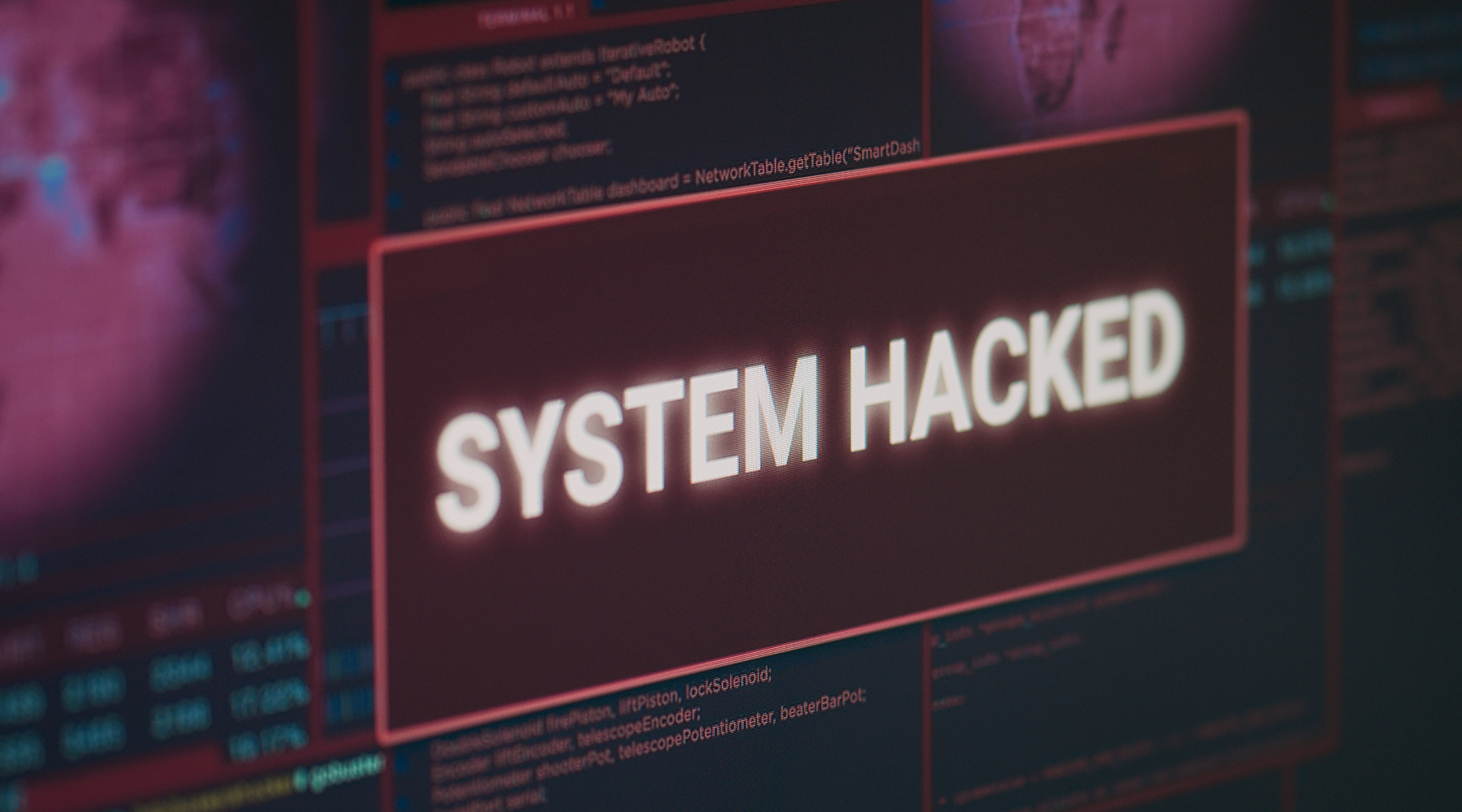
At Dlt Alert, we’ve seen firsthand how devastating ransomware can be for businesses. Just a few months ago, a mid-sized logistics company approached us in a panic—their entire operations had come to a halt overnight.
Every system was locked, customer data was encrypted, and a ransom note was flashing across their screens demanding $500,000 in cryptocurrency. They had no idea where to start.
Our team mobilized immediately. Within hours, we contained the breach, coordinated with their cyber insurance provider, and began forensic analysis.
With the right cyber insurance coverage in place, they were able to recover not only their systems but also their financial stability and reputation.
Unfortunately, stories like this are becoming more common. Ransomware attacks are now one of the most significant threats to modern businesses, and the cost of cyber insurance coverage is often significantly less than the damage caused by a single attack.
That’s why understanding how cyber insurance works, especially in the context of ransomware, is critical.
According to the H1 2025 Data Breach Report Analysis, there were 1,732 publicly reported data compromises in H1, five percent ahead of the pace in 2024 at this point in the year.
Why Ransomware Requires Specialized Protection
Ransomware attacks have evolved rapidly in both scale and sophistication. What once were opportunistic attacks targeting individuals have turned into highly orchestrated campaigns aimed at disrupting entire industries.
Attackers no longer encrypt your files—they often steal sensitive data and threaten to leak it if the ransom isn’t paid.
For businesses, the consequences can be catastrophic:
- Loss of operational control
- Extortion payments in cryptocurrencies
- Data privacy violations and regulatory fines
- Reputational damage and customer churn
- Legal liabilities and lawsuits
That’s why many companies—especially those in healthcare, logistics, finance, and retail—now turn to cyber attack insurance coverage as a financial and strategic shield against such attacks.
Watch this video for more understanding:
When a ransomware attack strikes, time is critical. Here’s how a robust cyber insurance policy responds:
1. Incident Response and Investigation
Once a ransomware attack is detected, the insurer typically activates an incident response team.
This team includes cybersecurity experts, forensic investigators, legal counsel, and crisis communication professionals. Their job is to assess the damage, contain the breach, and determine how the malware entered the system.
2. Ransom Negotiation and Payment
One of the most controversial yet necessary features of cyber insurance is ransom payment assistance.
If the insured opts to pay the ransom (though not recommended by many authorities), the insurer may negotiate with the attackers and handle the logistics of payment, often in cryptocurrency.
This is included under cyber extortion coverage, a standard component in most modern cyber policies.
3. System Restoration and Data Recovery
Cyber insurance typically covers the cost of restoring systems and recovering data from backups.
If backups are corrupted or unavailable, the policy may also help fund the rebuilding of databases and IT infrastructure.
Some policies also reimburse costs for new security tools or systems implemented in response to an attack.
4. Legal and Regulatory Expenses
Ransomware incidents involving data theft can trigger legal liabilities and regulatory scrutiny.
Cyber insurance helps cover legal defense costs, regulatory fines (where legally insurable), and compliance-related expenditures such as customer notification and credit monitoring.
5. Business Interruption Losses
Many ransomware attacks disrupt operations, resulting in significant financial losses. Cyberattack insurance coverage can include business interruption compensation, helping organizations maintain financial stability during the recovery process.
6. Public Relations and Reputation Management
Following an attack, businesses often face reputational damage.
Cyber insurance policies frequently cover the cost of PR campaigns and reputation management to help restore customer and stakeholder trust.
Cyber Insurance Coverage Cost: What to Expect
The cyber insurance coverage cost varies significantly depending on several factors:
- Industry: Highly targeted sectors, such as healthcare, finance, and education, tend to pay higher premiums.
- Size of Business: Larger businesses with more data and infrastructure may pay more, but often receive broader coverage.
- Security Posture: Insurers now assess a company’s cybersecurity maturity, as MFA, endpoint detection, employee training, and backups can lower premiums.
- Claims History: Previous breaches or ransomware events can lead to higher rates or policy exclusions.
- Coverage Limits: Policies can range from $500,000 to $100 million or more, with higher limits typically attracting higher premiums.
On average, small to mid-sized businesses can expect to pay anywhere from $1,500 to $15,000 annually for $1 million in coverage, depending on the risk profile.
That said, considering the average ransomware payout exceeded $1.5 million in 2024, investing in cyber data breach insurance is often a fraction of the potential damages.
Stay Safe With DLT Alert
Cyber threats, especially ransomware, are not going away. As attackers adopt AI-powered tactics and target supply chains, the risks continue to increase. Cyber insurance coverage is no longer just a financial safety net—it is an operational imperative.
By understanding what cyber insurance includes, how it supports businesses during ransomware attacks, and how the cost of cyber insurance coverage is determined, organizations can make informed decisions to protect their future.
At Dlt Alert, we help businesses of all sizes navigate the complex world of cybersecurity, offering expert guidance on risk management, threat intelligence, and insurance readiness. Let us help you build resilience in a digital-first world.
Contact DLT Alert today to learn more about cyber insurance and how we can help secure your enterprise from the growing tide of cyber threats.
Also Read: Effective Ransomware Coverage: Protecting Your Company from Cyber Threats