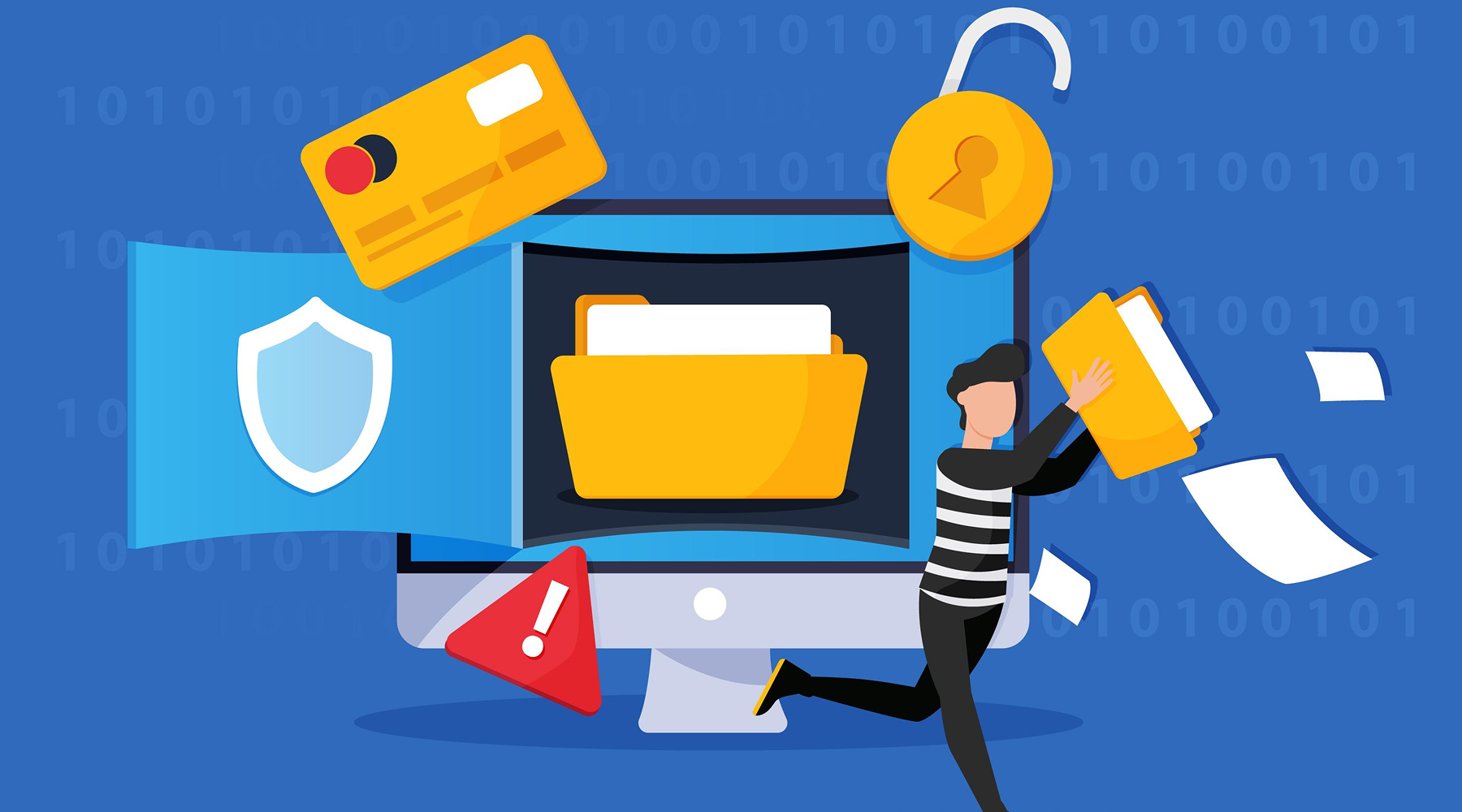
In recent years, stories of devastating data breaches have moved from rare headlines to everyday occurrences.
For Example, a small HR agency found itself in legal trouble after personal employee data was leaked due to a phishing email. A mid-sized logistics startup suffered reputational damage and was forced to pay hefty penalties after client data was compromised through a weak API.
These weren’t million-dollar corporations. They were small, everyday businesses — just like yours — trying to grow, serve customers, and keep operations smooth. But all it took was one digital misstep for things to spiral out of control.
In today’s connected world, data isn’t just important — it’s vulnerable. Whether you store customer contact information, employee records, payment data, or confidential business communications, a single breach can result in financial loss, legal chaos, and reputational damage that can take years to rectify.
That’s why data breach liability insurance isn’t just a “nice-to-have.” It’s a must-have safeguard for every business, especially for small companies that may not bounce back easily from a cyberattack.
This type of insurance acts like a financial shield, absorbing the blow from the fallout of data breaches and giving you the tools to respond, recover, and restore operations without losing everything you’ve worked for.
What Is Data Breach Liability Insurance?
Data breach liability insurance is a form of specialized coverage designed to protect businesses from the financial consequences of a data breach.
This includes unauthorized access to customer information, employee records, payment data, or proprietary digital assets.
As cyber threats evolve, so does the scope of this insurance, covering both first-party losses (those incurred directly by your business) and third-party liabilities (including legal and regulatory costs resulting from affected clients or partners).
This type of insurance falls under the broader umbrella of data protection liability insurance, which covers data mishandling, loss, or compromise — whether due to cyberattack, human error, or technical failure.
Why Small Businesses Are More Vulnerable — And Need Coverage Now
While large corporations make headlines for high-profile cyberattacks, small businesses are the most frequent targets.
They often lack dedicated cybersecurity teams, advanced encryption technologies, or multi-factor authentication protocols.
Yet they store valuable data — credit card numbers, customer addresses, employee records — which can be easily monetized by cybercriminals.
Only 17% of small businesses have cyber insurance. Companies without data breach insurance often struggle to recover from data breaches.
Many go out of business permanently after a serious violation due to financial pressure. Investing in the right policy can help reduce these risks.
When a breach occurs, it’s not just the data that’s lost. Small businesses face:
- Regulatory penalties under laws like the IT Act or GDPR (if handling international data),
- Legal costs from lawsuits filed by clients or employees,
- Forensic investigation fees to determine the extent of the breach,
- Public relations crisis management to rebuild brand trust,
- Business interruption losses as systems are repaired or shut down.
Data breach insurance for small businesses provides financial cushioning against all of these impacts — allowing you to survive what might otherwise be a business-ending event.
What Does Data Breach Liability Insurance Cover?
Let’s break down the core components of most data breach liability insurance policies:
1. Incident Response Costs
When a breach occurs, the first few hours are critical. Insurance helps cover the cost of forensic experts, breach consultants, and legal teams that assess the situation, limit the damage, and notify affected parties.
2. Legal and Regulatory Costs
Failure to report a breach or comply with data protection laws can result in heavy fines. Insurance covers expenses related to regulatory investigations and defense against lawsuits.
3. Notification and Credit Monitoring
If customer data has been exposed, businesses are obligated to inform the affected individuals. In many cases, offering credit monitoring is recommended. These costs are often fully covered under the policy.
4. Business Interruption and Data Recovery
Downtime equals lost revenue. Data breach insurance covers income lost due to system outages and funds data restoration efforts, including software or hardware replacement.
5. Reputational Damage Control
Policies often include coverage for PR firms or crisis communication consultants to help rebuild trust with customers and stakeholders after a breach.
6. Third-Party Liabilities
If your data breach impacts a partner, supplier, or client, they may sue your company for damages. Data protection liability insurance covers legal settlements and related costs.
Real-World Examples of Data Breach Incidents
High-profile breaches highlight the financial and reputational risks companies face:
- Equifax (2017): A breach compromised 147 million records, leading to a $700 million settlement.
- Marriott (2018): Hackers accessed 500 million customer records, resulting in regulatory fines and lawsuits.
Insurance as a Strategic Asset, Not a Last Resort
Think of data breach liability insurance not just as a cost of doing business but as a strategic layer of cyber resilience. Just as you wouldn’t operate a delivery van without motor insurance or run a manufacturing unit without fire insurance, you shouldn’t store customer or employee data without digital liability coverage.
Small businesses have the most to lose — and the least capacity to recover — from cyber incidents. Waiting until a breach occurs to consider coverage is like installing a seatbelt after a crash. With the rise of cybercrime and increasing digital dependency, investing in data breach insurance for small businesses is no longer optional — it’s essential.
DLT Alert is committed to helping businesses of all sizes stay protected, compliant, and resilient in the face of growing cyber threats. Talk to us today to secure your digital assets before it’s too late.
Also Read: Beyond Insurance: How Cyber Warranties Provide Superior Threat Protection