
The threat recovery process becomes a Herculean task when we don’t have the proper backup. With systems locked, customer data leaked, and their reputation in free fall, most SMBs end their business journey.
This isn’t the plot of a cyber-thriller; it’s the daily reality for countless businesses facing today’s rapidly evolving cyber threats.
Cyberattacks are no longer rare—they’re sophisticated, relentless, and increasingly targeted at small and medium-sized enterprises, not just large corporations.
So, what’s the solution?
Cyber attack insurance coverage has emerged as a vital defense layer, offering financial recovery and operational resilience in the face of digital crises.
With tailored coverage options like cyber data breach insurance, businesses can prepare, respond to, and recover from cyber incidents more effectively and efficiently.
This blog explores why growing cyber threats make insurance essential, with insights on challenges, real breaches, and a checklist to assess your protection. Cyber coverage isn’t optional anymore—it’s your frontline defense.
Understanding Cyber Attack Insurance Coverage
The financial repercussions of cyber incidents can cripple an unprepared business, irrespective of the size and revenue counts.
Cyber attack insurance, known as cyber liability insurance, offers an essential financial safety net against ransomware, data breaches, and denial-of-service (DoS) attacks.
According to a report by StrongDM, 75% of SMBs couldn’t continue their business operations after being hit by ransomware attacks.
However, DLT Alert encourages a strategic approach: treating insurance as part of a broader cyber resilience plan — not as a substitute for proactive defense.
Cyber insurance policies typically cover two core areas:
First-Party Losses
These refer to direct costs incurred by the business in the aftermath of a cyberattack:
Data restoration and digital forensics: Recovering compromised data and investigating the source of the breach using certified tools like FTK or X-Ways.
Business interruption insurance compensates for lost income due to system downtime. It is often linked to established recovery time objectives (RTOs).
Incident response and breach notification: The costs of notifying customers and regulators and managing reputational fallout, especially when dealing with regulated PII under frameworks like GDPR or HIPAA.
According to IBM’s 2024 report, the average cost of a data breach has climbed to $4.88 million, a stark reminder of the potential impact.
For companies that are hesitant to invest in comprehensive insurance, DLT Alert offers tailored risk assessments and cyber warranty options. These options are focused on securing specific digital assets backed by demonstrable cybersecurity hygiene.
At DLT Alert, we help businesses align these coverage areas with their existing incident response workflows and logging systems, ensuring verifiable, timestamped audit trails back claims.
We emphasize the importance of mapping insurance requirements to data classification policies.
For example, distinguishing between sensitive and non-sensitive data helps insurers process claims more transparently — reducing dispute risks during payout.
In our view, cyber insurance should work in tandem with layered defenses — not in place of them. It’s not just about getting insured but about being claim-ready with the proper documentation, processes, and controls.
The Rising Tide of Data Breaches
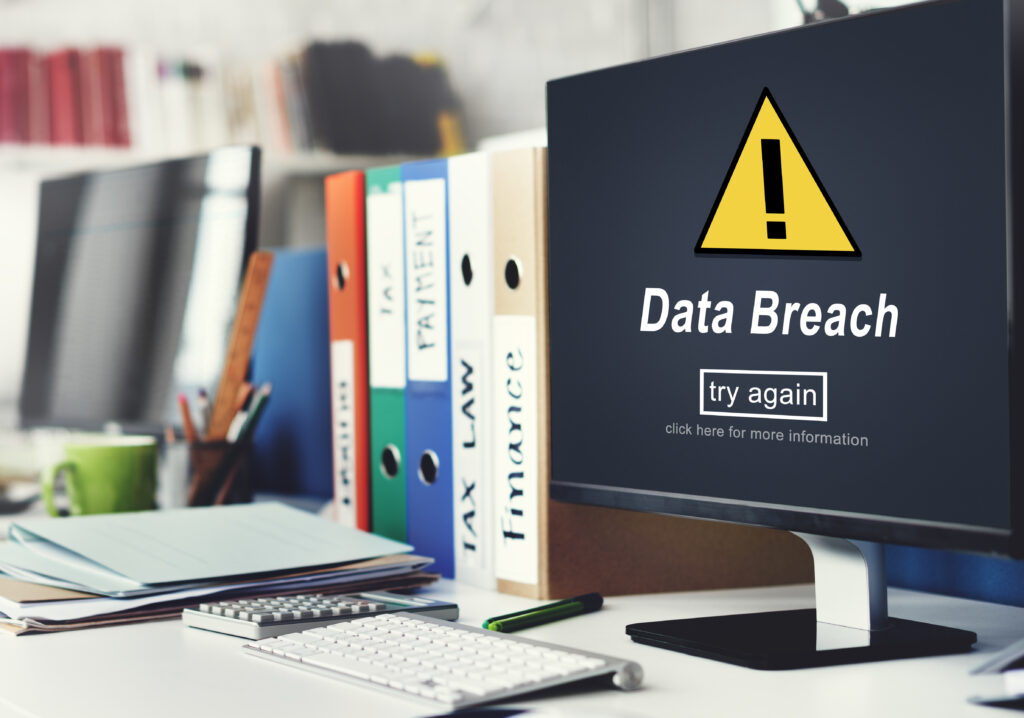
Data breaches aren’t slowing down; they’re getting more frequent and far more expensive. Just look at what’s happened recently in the U.S.:
- According to this report, LoanCare agreed to a $5.9 million settlement after a 2023 breach exposed sensitive customer data.
- U.S. Sun’s report states that T-Mobile paid $350 million for a 2021 breach that impacted 76 million users.
- According to U.S. Sun’s report, Navvis and SSM Health settled for $6.5 million in 2023 after a ransomware attack compromised medical data.
And more recently, the 2025 CrowdStrike update glitch, though not a direct breach, caused massive outages globally, disrupting IT systems for hospitals, airlines, banks, and businesses overnight. It’s a wake-up call: your digital infrastructure is more fragile than you think.
At DLT Alert, incidents like these reinforce why cyber insurance is no longer optional. It helps cover the mounting costs of response, legal action, and recovery while giving businesses the financial buffer to bounce back quickly.
Key Components of Cyber Insurance Policies
Cyber insurance policies can differ across providers, but generally include several essential components to mitigate financial and operational risks during and after a cyber incident.
- Business Interruption Coverage compensates organizations for lost income resulting from downtime caused by cyberattacks or system failures, enabling them to resume critical operations with minimal financial strain.
- Data Recovery and Restoration helps cover the expenses of retrieving, restoring, or replacing compromised or lost data. This is especially crucial when sensitive information is affected.
- Legal and Regulatory Expenses coverage is designed to manage legal defense costs and regulatory penalties that may arise after a data breach. ICICI Lombard, for instance, includes this protection in its policy offerings.
- Public Relations Support plays a vital role in managing reputational damage. It provides assistance from communication experts to help maintain stakeholder trust and rebuild public confidence after a cyber incident.
- Ransomware Payments coverage includes expenses related to responding to ransomware attacks, including ransom payments (when legally permissible) and negotiation services.
- Both ICICI Lombard and CrowdStrike are known for supporting this element.
It’s important to remember that cyber insurance policies often come with exclusions. Standard exclusions include incidents stemming from unencrypted data or those attributed to state-sponsored attacks.
Organizations must review their policy details carefully to ensure adequate protection and compliance.
Proactive Cyber Protection: Your Business’s Best Defense
Cyberattacks are not just a possibility—they’re an inevitability. The risk is even greater for small and mid-sized businesses (SMBs).
Hackers often view small to medium-sized businesses (SMBs) as easy targets, assuming they lack the resources for advanced cybersecurity or comprehensive response plans. This is why cyber attack insurance coverage is no longer a luxury—it’s a mission-critical layer of defense.
When we anticipate the cost of a data breach, ransomware attack, or system outage, we realize that customer trust is lost, operations are halted, and regulatory penalties loom daily.
But insurance is only as adequate as your preparedness. Ask yourself:
- Have you reviewed your coverage limits and exclusions recently?
- Is your staff well-trained in cybersecurity best practices?
- Have you conducted a comprehensive risk assessment in the last 12 months?
- Have your data backup and recovery plans been tested, and are they up to date?
If you answered “No” to any of these, unnecessary risks could expose your business, causing havoc to your revenue count.
Take control now. Conduct a cyber readiness audit—partner with a cybersecurity advisor. Strengthen your defenses and convert uncertainty into confidence.
Cyber threats will only grow more advanced—but so can your resilience. Make proactive protection your strength before reactive recovery becomes your only option.
Also Read: Ransomware Warranties: Fortifying Your Defenses Against a Growing Threat